Online Therapy for ADHD in Minnesota
Millions of Americans experience ADHD (Attention-deficit/hyperactivity disorder), and countless more go undiagnosed every year. It’s a complex, challenging condition that can disrupt nearly every area of your life. Fortunately, treatment works.
ADHD management looks different for everyone and typically involves a combination of treatments and tools. I can help you build a tool box for the life you want to live.
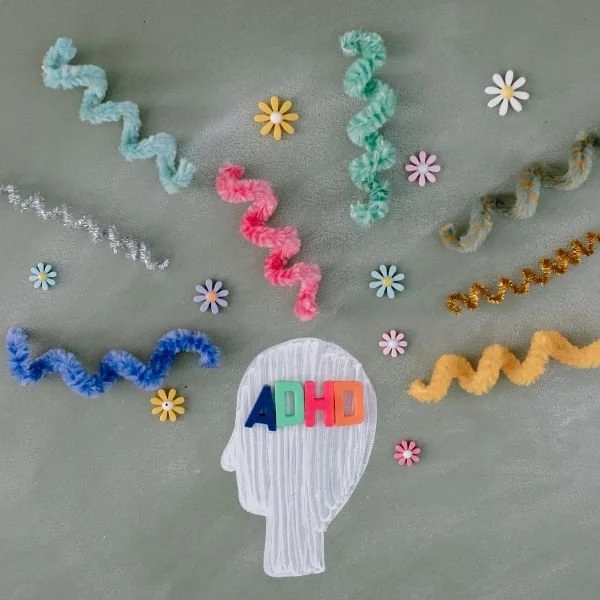
What is ADHD in adults and children?
ADHD (attention-deficit/hyperactivity disorder) is a neurodevelopmental condition that affects how the brain functions, and it’s common in children and adults. People with this condition face challenges with attention, hyperactivity, and/or impulsivity that can affect their academic success, careers, and relationships.
Although ADHD develops in childhood, it isn’t always recognized or diagnosed until adulthood. Even then, it can be hard to get a proper ADHD diagnosis. Many undiagnosed adults with ADHD have learned to hide the symptoms of ADHD. It’s one of the reasons the condition can’t be diagnosed based on a quick conversation or observation—it requires a thorough evaluation from a qualified professional, who will also rule out other mental health conditions such as learning disabilities or mood disorders.
Signs and symptoms of ADHD
It’s important to note that nearly everyone experiences some of these symptoms from time to time. There are many things that can affect your focus or behavior, including stress, lifestyle changes, relationship issues, and physical problems (like lack of sleep). Experiencing periodic inattentive, impulsive, or hyperactive behaviors doesn’t necessarily mean you have attention-deficit/hyperactivity disorder.
In people with ADHD, these symptoms are chronic, meaning they’ve been going on for years, and can be traced back to early childhood. (For many, symptoms of ADHD first appear between the ages of 3 and 6). In addition, they’re severe enough to cause ongoing problems in a person’s career, academic, and/or social life.
ADHD symptoms in kids
In children and toddlers, ADHD symptoms often surface in environments like home, school, or daycare. Common symptoms can include:
Difficulty focusing on activities and becoming easily distracted
Short attention span during play or homework
Daydreaming
Frequent fidgeting, squirming, or trouble sitting still.
A constant need for movement or frequent running around
Engaging in activities loudly or disruptively
Excessive talking and interrupting others
ADHD symptoms in teens
ADHD (attention-deficit/hyperactivity disorder) may evolve as children grow into teenagers. For some, symptoms become less disruptive, but others face new challenges as responsibilities increase. Additional symptoms of ADHD in teenagers may include:
Trouble focusing on or completing schoolwork and other tasks
Careless mistakes on schoolwork and disorganization
Frequent mistakes due to inattention
Issues with task organization and time management
Frequently forgetting or losing personal items
Avoiding tasks that require sustained mental effort
Increased frustration and emotional sensitivity
Possible substance use issues
Difficulties in interpersonal relationships
Greater conflict with parents
ADHD symptoms in adults
The demands of adulthood can cause another shift in ADHD symptoms. While hyperactivity may decrease with age, struggles with impulsivity, restlessness, and focus often persist. Additional symptoms in adult attention-deficit/hyperactivity disorder may include:
Difficulty meeting workplace or academic expectations
Low self-esteem and mental health challenges
Possible substance use issues
Struggles in relationships with partners, family, or coworkers
More frequent accidents or injuries
Treatment and Management Options for ADHD
Stimulant medications, including methylphenidate and amphetamine-based pharmaceuticals, are first-line treatments for ADHD due to their high efficacy rates. *(I can not prescribe medication but will work with your doctor.)
Cognitive behavioral therapy (CBT) helps patients develop practical coping strategies, improve organizational skills and address negative thought patterns.
ADHD coaching focuses on day-to-day skills to teach people with ADHD how to stay accountable without frustration.
Consuming a healthy diet rich in protein, whole foods and complex carbohydrates while minimizing processed foods may improve ADHD symptoms. However, though preliminary and ongoing research is promising, additional robust clinical trials are necessary to fully understand the role diet plays in managing or minimizing ADHD symptoms.
Lifestyle interventions like mindfulness, meditation, yoga, exercise and good sleep hygiene can help reduce stress and increase focus.
Feeling overwhelmed? Stuck?
If you've felt a low hum of dread, grief, or anger about ICE's presence in our communities and the deaths that have followed it, you're not alone, and you're not overreacting. Watching immigration enforcement operate in your neighborhood, in the news, and in the lives of people you know isn't a one-time event — it's an ongoing stressor, and your nervous system is responding to something real.
If you have ADHD, this may be hitting you especially hard. ADHD brains often run on heightened rejection sensitivity, and that same wiring tends to show up as heightened justice sensitivity too — unfairness doesn't just register as a thought, it lands in your body. So you may be carrying the fear of what's happening and the sheer intensity of how wrong it feels, all at once, and with more force than the people around you seem to be feeling it.
You don't have to carry this alone, and you don't have to justify why it's hitting you this hard. This is a space to process what's happening, protect your capacity to function, and figure out what support looks like for you right now.
Feeling Better Starts Here
Individuals of all ages with a reliable internet connection and camera-enabled device can gain access to quality mental healthcare
Confidential
Online therapy sessions take place on a secure server and can only be accessed by your therapist, so you never have to worry.
Convenient
Meet with a therapist from the comfort of your own home at a time that fits your schedule and avoid the stresses of travel.
Insurance Accepted
Affordable Quality Care
Insurance will often cover the majority of your services. We can verify your insurance benefits and provide you with a cost estimate.
Easy to Use
To access a video session, you simply follow a link sent to you by your therapist. No additional software downloads are required.
Frequently Asked Questions
-
Once your appointment is scheduled, an email will be sent for you to set up your portal account. A second email will include links to access needed registration paperwork. A reminder email for your appoinment will include the link to your session. In order for the session to work, you must have a reliable internet connection and camera on the computer or phone you are using.
-
Getting started is simple. Reach out through our contact form or schedule a short consult here
-
In addition to being an experienced therapist, I have navigated my own struggles as a very late diagnosed AuDHD person. I also bring a lifetime of experience as a gamer, and member of a variety of alternative communities to the table to help craft interventions that fit YOU.
-
You can reach us anytime via our contact page , email or schedule a short consulation. We aim to respond quickly—usually within one business day.
-
A major goal is accessibility. Reduced rates can be arranged for those without insurance or who choose not to use insurance.
-
While I can work with clients as young as 14, parents will need to be involved unless special circumstances exist.
Parents do not get access to anything spoken about without direct and clear permission from you.